Over the last few years, the conversation around packaging has quietly started to change. What was once only about durability and cost is now also about impact on the environment, on waste systems, and on long-term sustainability. One term that keeps coming up in these discussions is biopackaging.
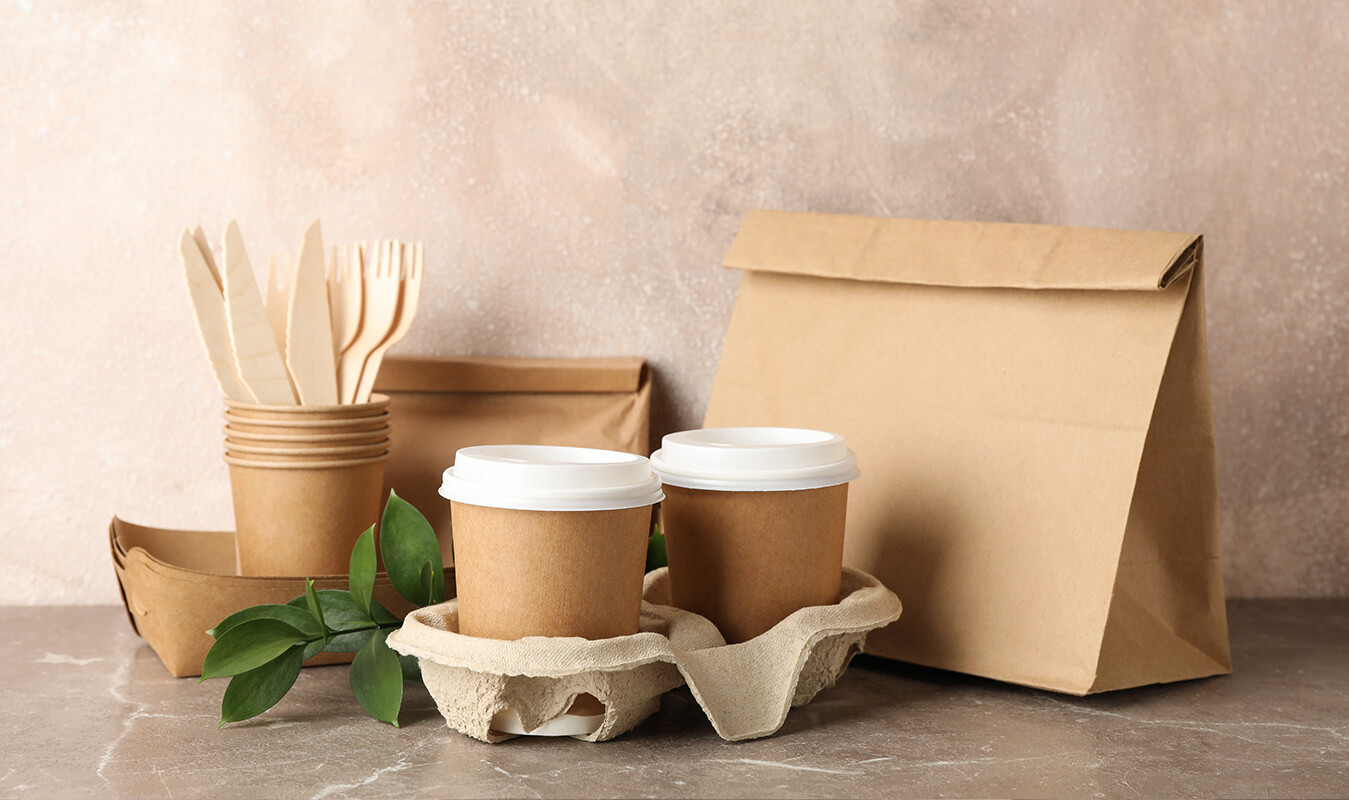
At its core, biopackaging simply means packaging made from biological or renewable sources. This could include plant-based materials, agricultural residues, or bio-derived polymers that are designed to be more environmentally friendly compared to conventional plastics. While plastic has been incredibly efficient and convenient, its environmental cost has become hard to ignore and that’s where alternatives like biopackaging start to make sense.
From a manufacturing perspective, the process is not entirely unfamiliar. Many biopackaging materials such as PLA (polylactic acid), starch-based blends, or cellulose derivatives are processed using technologies similar to conventional plastic manufacturing. The difference lies in the raw material and, in many cases, the end-of-life behavior. Some of these materials are designed to be biodegradable or compostable, which opens up possibilities for reducing long-term waste accumulation.
What makes biopackaging interesting is not just the material itself, but the broader idea behind it. It fits into the concept of a circular economy, where materials are reused, recycled, or returned safely to nature instead of ending up in landfills for decades. Of course, this is still a work in progress. Not all biopackaging solutions are perfect, and challenges around cost, scalability, and infrastructure are very real.
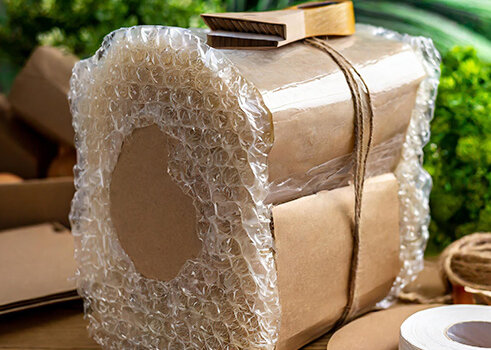
In terms of applications, the shift has already started. We are seeing increasing adoption in food and beverage packaging, FMCG products, e-commerce shipments, and even retail packaging. Some companies are experimenting with fully compostable packaging, while others are taking gradual steps by blending bio-based materials with existing systems.
The bigger question, however, is not whether biopackaging will grow, it most likely will, but how fast it can scale. For widespread adoption, solutions need to be not only sustainable but also economically viable and operationally practical. This is where collaboration between industry players, technology providers, and policymakers becomes important.
From our perspective, while the space is still evolving, it is clear that biopackaging is no longer just a niche concept. It is gradually becoming part of a larger shift toward more responsible material use and sustainable business practices.
The journey is still at an early stage, and there is a lot to be figured out. But one thing is certain, the way we think about packaging is changing, and biopackaging is likely to play a meaningful role in that transition.